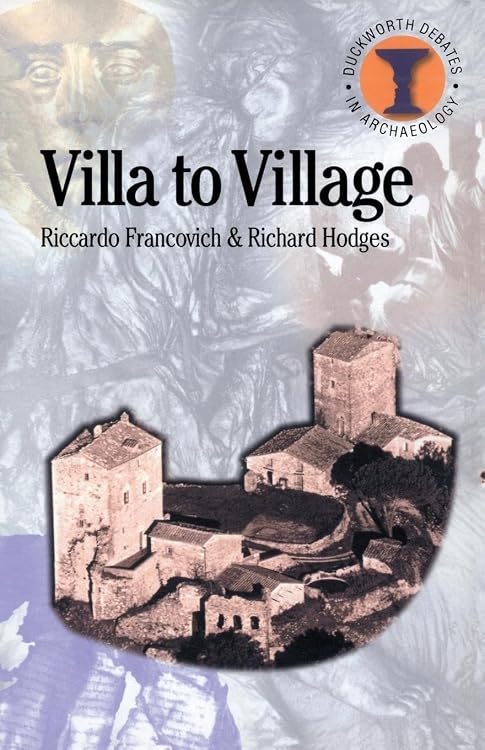
Villa to Village: Roman Countryside Transformation
Villa to Village: The Transformation of the Roman Countryside examines how the decline of Roman villas in late antiquity helped shape medieval villages in Italy. It presents the archaeological and historical debate, including Carolingian-era manorial villages and their later development, with maps, plans, and reconstructions described in the listing.
At a glance
- Challenges the view that Italian hilltop villages were first founded in the tenth century.
- Traces village development from the decline of Roman villas through Carolingian-era settlements and feudal villages.
- The listing describes maps, plans, and reconstructions accompanying the text.
Reference price: $32.95
Price checked: Nov 26, 2026
View offerBlack Friday weekExplore the selectionPros and cons
Pros
- Focuses on the transition from Roman rural estates to medieval village life in Italy.
- Brings archaeological and historical debate together in a concise 160-page text.
- Maps, plans, and reconstructions are described as visual aids.
Technical specifications
8 specifications| Publisher | Bristol Classical Press |
|---|---|
| Publication date | September 25, 2003 |
| Language | English |
| Print length | 160 pages |
| ISBN-10 | 0715631926 |
| ISBN-13 | 978-0715631928 |
| Dimensions | 5.5 x 0.27 x 8.5 inches |
|---|---|
| Weight listed | 6.4 ounces |
Who is it for?
A good fit for
- Readers researching Roman and medieval Italian countryside settlement.
- Students or enthusiasts interested in archaeology and the development of medieval villages.
Less suited to
- Readers looking for a broad survey of Roman history rather than a focused study of rural settlement in Italy.
Customer reviews on Amazon
- 5 stars
66% 66% - 4 stars
11% 11% - 3 stars
0% 0% - 2 stars
23% 23% - 1 star
0% 0%
The available evidence consists of aggregate ratings rather than customer comments. The overall rating pattern is favorable but includes a meaningful minority of low ratings, and the small number of ratings limits how much it can establish about the book’s content or presentation. Readers should judge fit primarily by its specific focus on Italian rural settlement and its listed 160-page length.
Frequently asked questions
What period does Villa to Village cover?
It discusses the decline of Roman villas in late antiquity, the first manorial villages of the Carolingian era, and the later development of feudal villages in Italy.
Does the listing mention illustrations?
Yes. It describes maps, plans, and reconstructions illustrating the text.
How long is the book?
The listed print length is 160 pages.
Alternative options
Houses and Society in the Later Roman Empire (Debates in Archaeology)
$36.95
Constructing Communities in the Late Roman Countryside
$45.00
The Archaeology of Elam: Formation and Transformation of an Ancient Iranian State (Cambridge World Archaeology)
$56.00
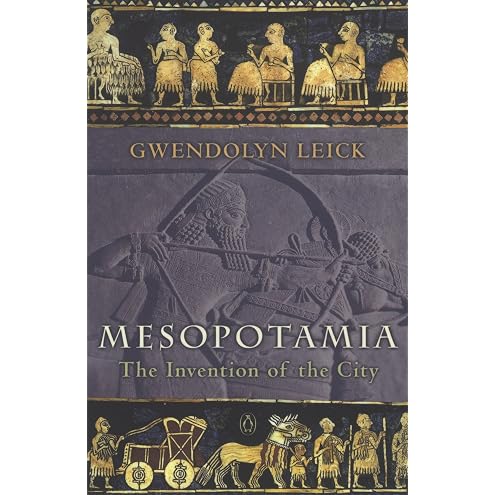
Mesopotamia: The Invention of the City
$17.93
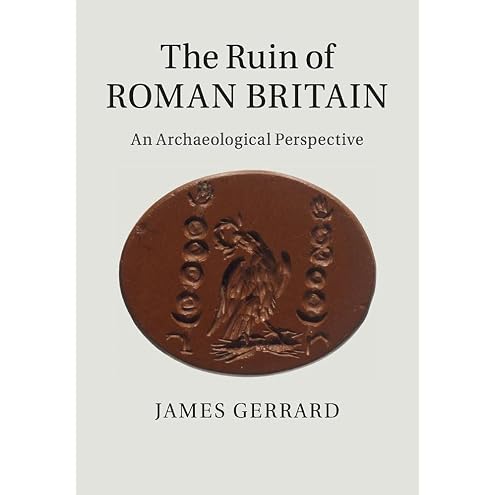
The Ruin of Roman Britain: An Archaeological Perspective
$37.00
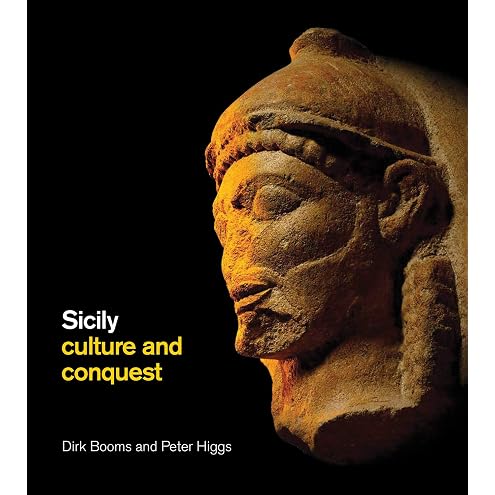
Sicily: Culture and Conquest
$24.49
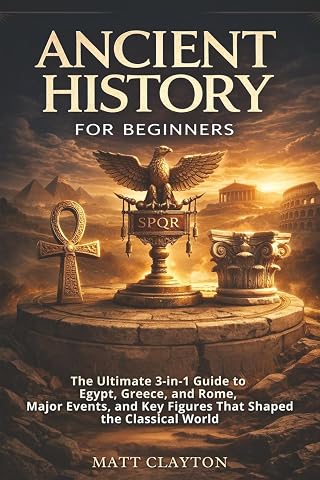
Ancient History for Beginners: The Ultimate 3-in-1 Guide to Egypt, Greece, and Rome, Major Events, and Key Figures That Shaped the Classical World (Echoes Through Time)
$29.06
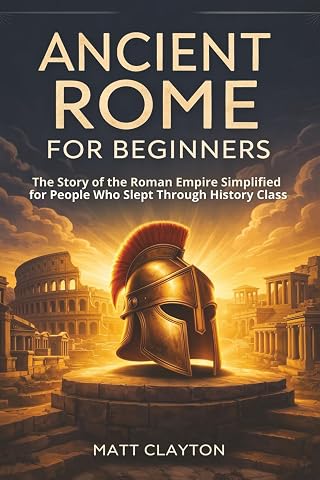
Ancient Rome for Beginners: The Story of the Roman Empire Simplified for People Who Slept Through History Class (Past Made Simple)
$13.69
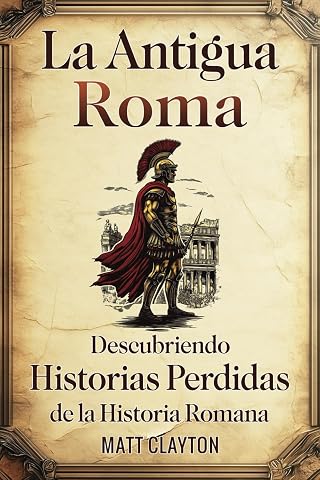
La antigua Roma: Descubriendo historias perdidas de la historia romana (Secretos del pasado olvidado) (Spanish Edition)
$13.69
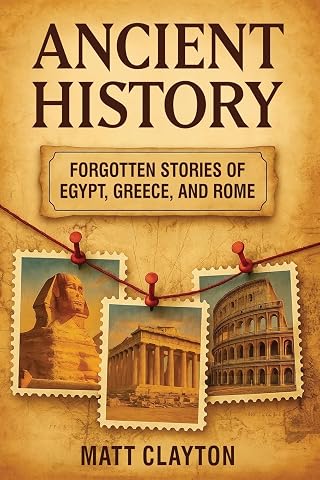
Ancient History: Forgotten Stories of Egypt, Greece, and Rome
$16.94
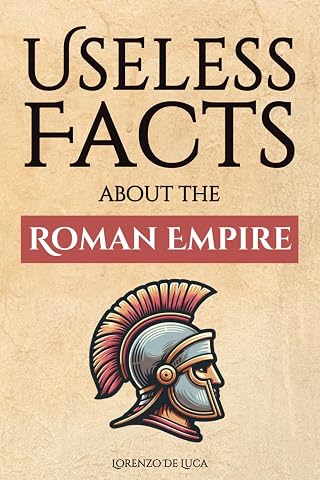
Useless Facts about the Roman Empire – 300+ facts about the Romans, their way of life, their army and their immense power
$14.95
Daily Life in the Roman Empire: Slums, Baths, and Latrines (Unfiltered History Series)
$14.99