Trial by Treatment: Punishing Illness in an Age of Criminal Legal Reform
Punishing Reform: Trial by Treatment examines how court-mandated treatment programs intended as alternatives to punishment can extend criminal legal control over people with mental illness. Mary Ellen Stitt draws on courtroom and treatment-session fieldwork, interviews, survey data, and a national dataset to explore the programs’ effects.
At a glance
- Investigates treatment-based diversion programs as alternatives to conventional criminal punishment.
- Draws on two years of fieldwork, interviews, experimental survey data, and an original national dataset, according to the listing.
- Focuses on how court control of mental healthcare may affect treatment settings and inequalities in punishment.
Reference price: $115.00
Price checked: Nov 27, 2026
View offerBlack FridayExplore the selectionPros and cons
Pros
- Combines courtroom and treatment-session fieldwork with interviews and multiple forms of data, offering several perspectives on diversion programs.
- Addresses a specific policy tension: reforms designed to reduce punishment may also extend criminal legal oversight.
Technical specifications
9 specifications| Publisher | University of Chicago Press |
|---|---|
| Publication date | May 20, 2025 |
| Edition | First Edition |
| Language | English |
| Print length | 256 pages |
| ISBN-10 | 0226840409 |
| ISBN-13 | 978-0226840406 |
| Dimensions | 6 x 0.8 x 9 inches |
|---|---|
| Weight listed | 1 pounds |
Who is it for?
A good fit for
- Readers studying criminal legal reform, mental health law, criminology, or court-mandated treatment.
- Students and researchers interested in diversion programs and the consequences of placing mental healthcare under court authority.
Less suited to
- Readers seeking a practical guide to mental health treatment or a general introduction to criminal law.
Frequently asked questions
What is Trial by Treatment about?
It examines treatment-based diversion programs, asking whether alternatives to conventional punishment reduce penal control or extend the criminal legal system’s reach over people with mental illness.
What research does the book draw on?
The listing describes two years of fieldwork in criminal courtrooms and court-mandated treatment sessions, alongside interviews, experimental survey data, and an original national dataset.
Who published the book, and how long is it?
The listed publisher is University of Chicago Press, and the print length is 256 pages.
Alternative options
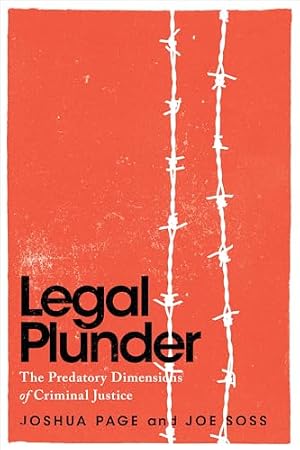
Legal Plunder: The Predatory Dimensions of Criminal Justice (Chicago Studies in American Politics)
$26.00

Invitation to Law and Society, Second Edition: An Introduction to the Study of Real Law (Chicago Series in Law and Society)
$18.00

Pink Crime: Fighting Against the Criminalization of Motherhood, Pregnancy, and Queer Identity
$26.42
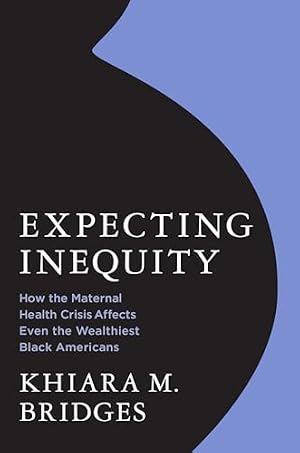
Expecting Inequity: How the Maternal Health Crisis Affects Even the Wealthiest Black Americans
$19.49
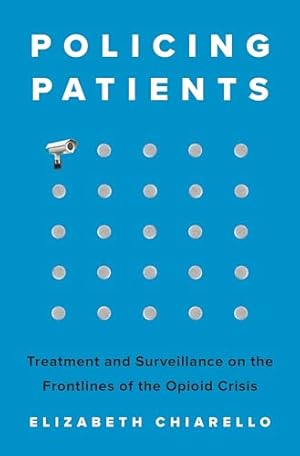
Policing Patients: Treatment and Surveillance on the Frontlines of the Opioid Crisis
$21.70

Impermissible Punishments: How Prison Became a Problem for Democracy
$33.42

Marked by Time: How Social Change Has Transformed Crime and the Life Trajectories of Young Americans
$22.86
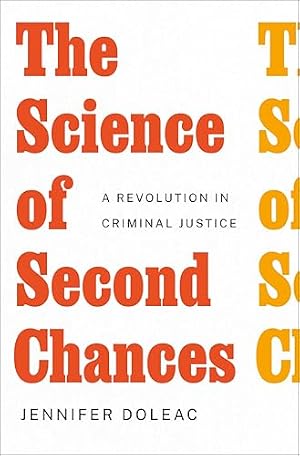
The Science of Second Chances: A Revolution in Criminal Justice
$8.74
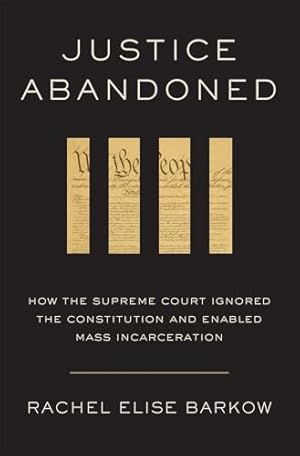
Justice Abandoned: How the Supreme Court Ignored the Constitution and Enabled Mass Incarceration
$28.92
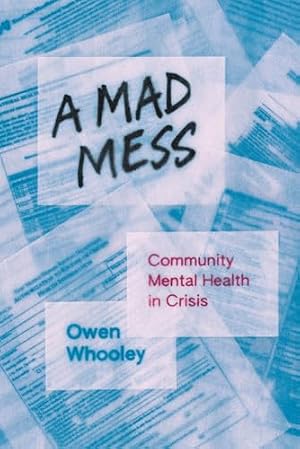
A Mad Mess: Community Mental Health in Crisis (Ethnographic Encounters and Discoveries)
$24.00

The Danger Imperative: Violence, Death, and the Soul of Policing
$30.00

Brothers in Grief: The Hidden Toll of Gun Violence on Black Boys and Their Schools
$27.50