 1 / 2
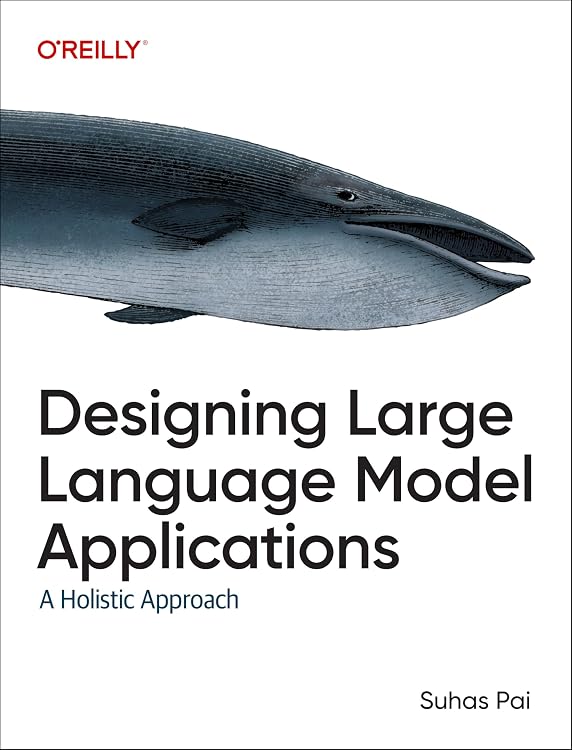
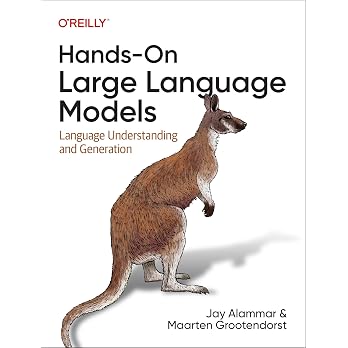
Designing Large Language Model Applications: A Holistic Approach to LLMs
Designing Large Language Model Applications: A Holistic Approach to LLMs is a practical guide to building software that uses language models. It covers model fundamentals, customization, prompting, fine-tuning, retrieval-augmented generation, agents, and integration into software systems, with minimal mathematics.
At a glance
- Organized into three parts and 13 chapters, from language-model ingredients through application patterns.
- Discusses dataset preparation, Transformers, prompting, fine-tuning, domain adaptation, and inference optimization.
- Covers RAG, agents, and connecting models with external tools, data, and existing software systems.
- Emphasizes intuition over deep mathematical treatment, with only minimal equations.
Reference price: $79.99
Price checked: Nov 25, 2026
View offerBlack Friday weekExplore the selectionOften bought together
Pros and cons
Pros
- Connects model-level techniques to the wider task of designing and integrating LLM applications.
- Includes practical topics such as fine-tuning, hallucination mitigation, RAG, and agents.
- Addresses software engineers, ML practitioners, scientists, and product managers, with Python and basic ML knowledge listed as prerequisites.
Cons
- Its stated scope is English-language LLMs and excludes substantial coverage of multilingual and multimodal models.
- Reasoning models receive only a rudimentary introduction, and the book does not aim for deep theory or mathematics.
Technical specifications
9 specifications| Publisher | O'Reilly Media |
|---|---|
| Publication date | April 15, 2025 |
| Edition | 1st |
| Language | English |
| Print length | 364 pages |
| ISBN-10 | 1098150503 |
| ISBN-13 | 978-1098150501 |
| Weight listed | 1.35 pounds |
|---|---|
| Dimensions | 7 x 1 x 9 inches |
What to know before buying
- The publisher describes this as a practical, intuition-focused treatment rather than a deep theory or math reference. The book largely focuses on English-language text models, and reasoning-model coverage is introductory, so readers seeking multilingual, multimodal, or detailed reasoning-model coverage may need other material.
Who is it for?
A good fit for
- Software engineers moving into AI application development
- Machine learning practitioners and scientists seeking an application-focused LLM overview
- Product managers who need a broad understanding of LLM application design
- Readers with Python coding knowledge and basic machine learning and deep learning principles
Less suited to
- Readers seeking extensive mathematical theory or a deep dive into model training from scratch
- Readers primarily seeking multilingual or multimodal model coverage
- Readers looking for comprehensive reasoning-model techniques
Customer reviews on Amazon
- 5 stars
71% 71% - 4 stars
17% 17% - 3 stars
0% 0% - 2 stars
0% 0% - 1 star
12% 12%
Aggregate customer ratings lean positive overall, but include a meaningful one-star share as well. With a small rating sample and no written feedback supplied, the figures do not reveal what readers liked or disliked. Consider whether the book's practical focus, English-language scope, and limited math and multimodal coverage fit your needs.
Frequently asked questions
What topics does this book cover?
It covers language-model fundamentals, dataset preparation, prompting, fine-tuning, domain adaptation, inference optimization, RAG, agents, and integrating models with tools, data, and software systems.
What background does the listing recommend?
It names Python coding knowledge and an understanding of basic machine learning and deep learning principles as prerequisites.
Does it cover multimodal or multilingual models in depth?
No. The stated focus is English-language LLMs, with little discussion of multilingual models, and multimodal models are out of scope.
Is this a mathematical theory book?
No. It prioritizes intuition and practical application, with minimal equations and no deep mathematical treatment.
Alternative options
An Illustrated Guide to AI Agents: Concepts and Code for Building Agents with LLMs, Tools, and Memory
$53.35
Build a Large Language Model (From Scratch)
$47.44
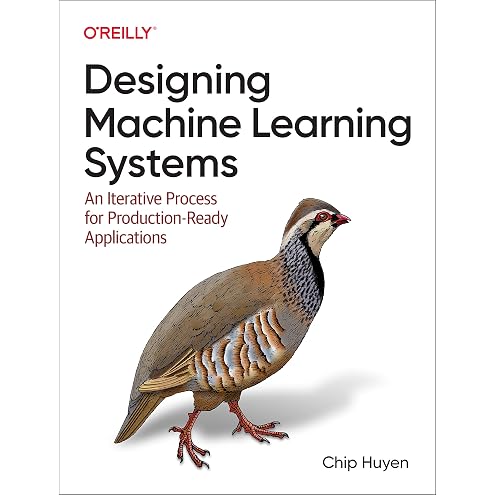
Designing Machine Learning Systems: An Iterative Process for Production-Ready Applications
$39.82
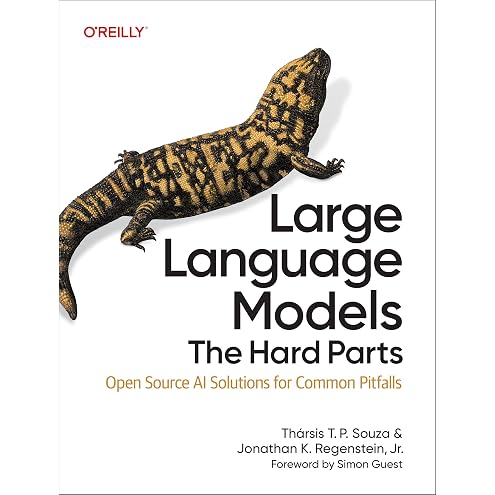
Large Language Models: The Hard Parts: Open Source AI Solutions for Common Pitfalls
$66.46
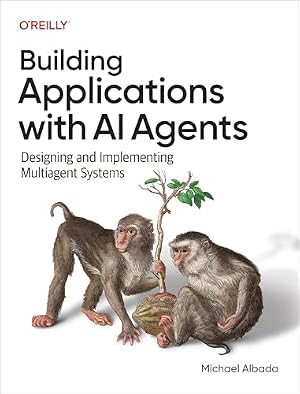
Building Applications with AI Agents: Designing and Implementing Multiagent Systems
$56.34
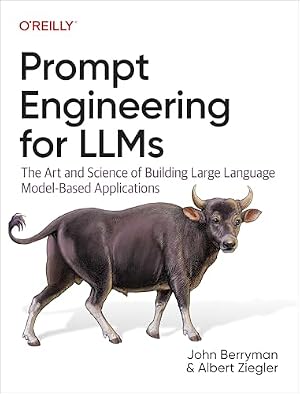
Prompt Engineering for LLMs: The Art and Science of Building Large Language Model-Based Applications
$54.51
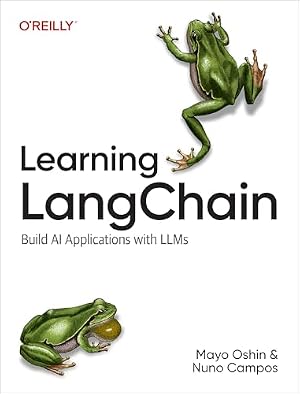
Learning LangChain: Building AI and LLM Applications with LangChain and LangGraph
$53.35
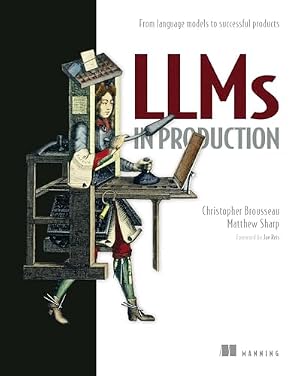
LLMs in Production: From language models to successful products
$48.13
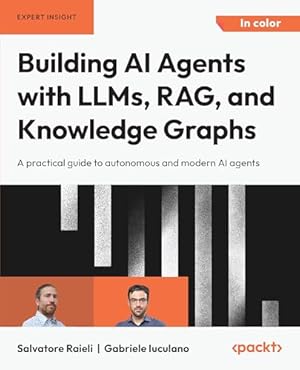
Building AI Agents with LLMs, RAG, and Knowledge Graphs: A practical guide to autonomous and modern AI agents
$39.89

AI Agents in Action: Build, orchestrate, and deploy autonomous multi-agent systems
$59.99
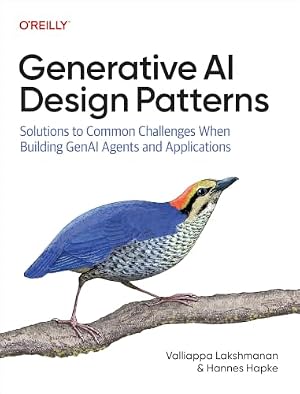
Generative AI Design Patterns: Solutions to Common Challenges When Building GenAI Agents and Applications
$58.70
AI Systems Performance Engineering: Optimizing Model Training and Inference Workloads with GPUs, CUDA, and PyTorch
$83.05