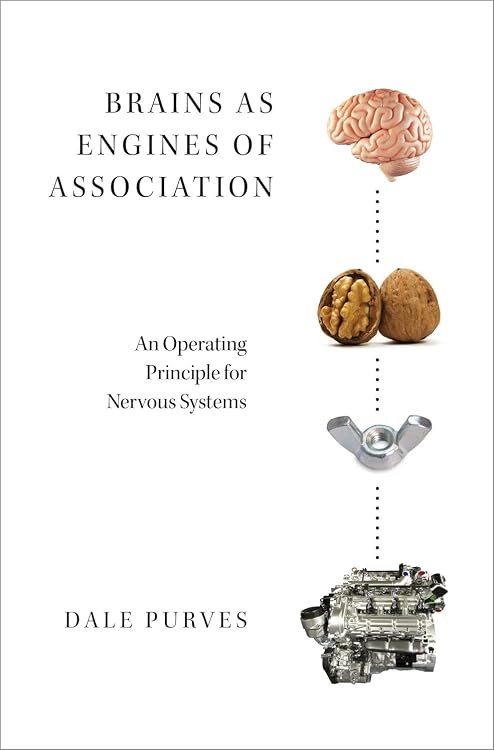
Brains as Engines of Association: An Operating Principle for Nervous Systems
Operating Principle Nervous Systems: Brains as Engines of Association is a neuroscience book arguing that the brain operates through trial-and-error experience encoded in neural circuitry over evolutionary and individual time. It uses evidence from vision, audition, speech and music to present a perspective that challenges brain-as-computer accounts.
At a glance
- Presents trial-and-error experience as the operating principle of nervous systems.
- Draws on evidence concerning vision, audition, speech and music.
- Contrasts its account with views of the brain as a computing machine.
Reference price: $79.00
Price checked: Nov 26, 2026
View offerBlack Friday weekExplore the selectionPros and cons
Pros
- Its central argument is clearly suited to readers interested in competing explanations of brain function.
- The listed 216-page length gives buyers a concrete sense of the book's scope.
Technical specifications
8 specifications| Publisher | Oxford University Press |
|---|---|
| Publication date | April 29, 2019 |
| Language | English |
| Print length | 216 pages |
| ISBN-10 | 0190880163 |
| ISBN-13 | 978-0190880163 |
| Weight listed | 1.14 pounds |
|---|---|
| Dimensions | 9.4 x 0.8 x 6.4 inches |
Who is it for?
A good fit for
- Readers exploring neuroscience theories of learning and neural function.
- Those interested in how perception, speech and music relate to theories of brain operation.
Less suited to
- Readers seeking a neutral survey of all neuroscience perspectives. The listing describes a book advocating a particular account.
Customer reviews on Amazon
- 5 stars
55% 55% - 4 stars
21% 21% - 3 stars
24% 24% - 2 stars
0% 0% - 1 star
0% 0%
Aggregate ratings lean positive overall, but include a notable share of middle ratings and come from a small pool. This offers only a limited signal about reader reception and does not establish which parts readers valued or questioned. The listing describes a focused theoretical argument, so prospective readers should consider whether that perspective matches their interest.
Frequently asked questions
What is the book's main argument?
The listing says it argues that brains operate through trial-and-error experience encoded in neural circuitry over evolutionary and individual time.
Which topics inform its account?
The description cites evidence from vision, audition, speech and music.
How does the book position its argument?
It contrasts its trial-and-error account with views that treat the brain as a computing machine.
Alternative options
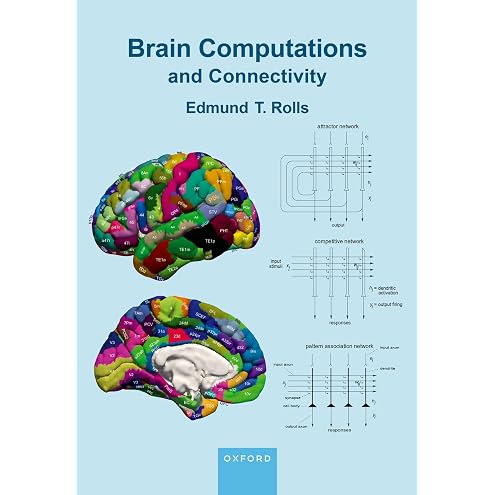
Brain Computations and Connectivity
$119.80
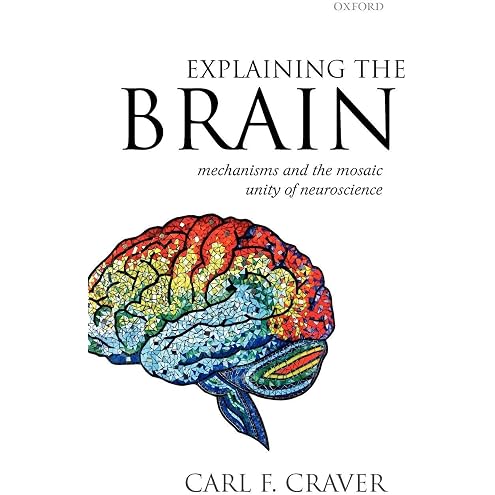
Explaining the Brain: Mechanisms and the Mosaic Unity of Neuroscience
$63.03
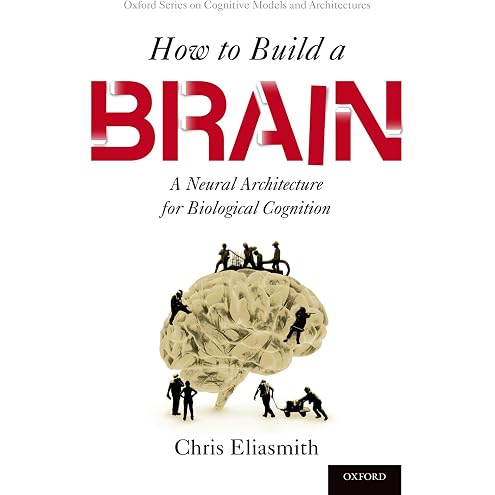
How to Build a Brain: A Neural Architecture for Biological Cognition (Oxford Series on Cognitive Models and Architectures)
$52.66
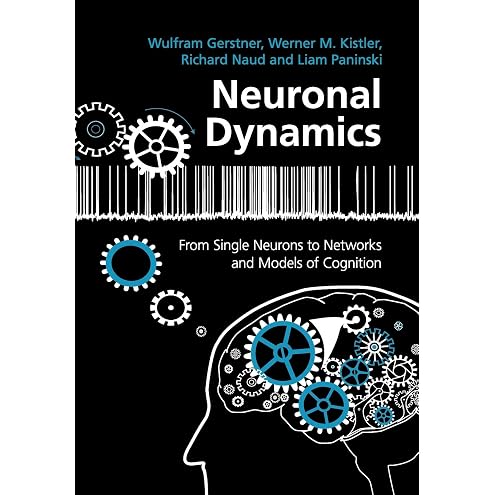
Neuronal Dynamics: From Single Neurons to Networks and Models of Cognition
$76.00
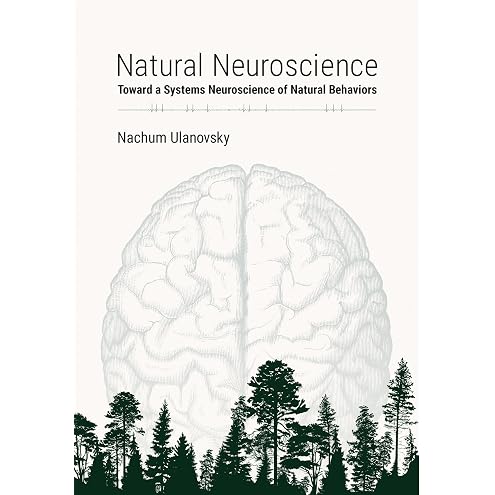
Natural Neuroscience: Toward a Systems Neuroscience of Natural Behaviors
$65.00
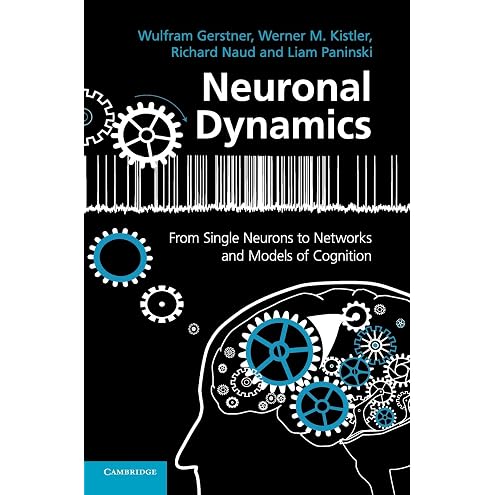
Neuronal Dynamics: From Single Neurons to Networks and Models of Cognition
$136.00
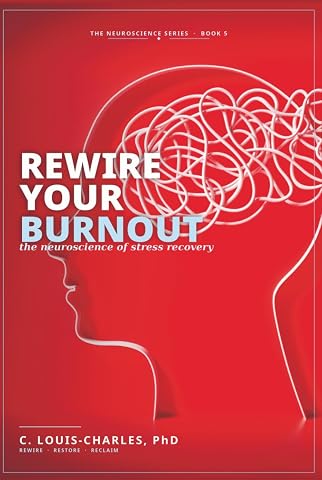
Rewire Your Burnout: The Neuroscience of Stress Recovery (Rewire Your Brain and Rewire Your Life)
$27.49
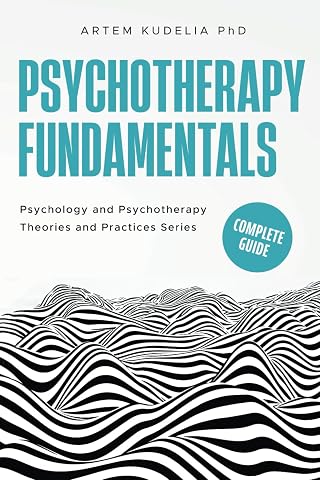
Psychotherapy Fundamentals: Complete Guide (Psychology and Psychotherapy: Theories and Practices)
$46.46
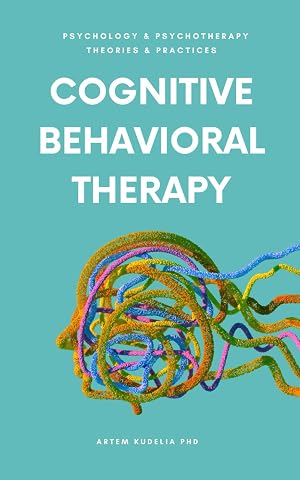
Cognitive Behavioral Therapy: Managing Anxiety and Depression (Psychology and Psychotherapy: Theories and Practices)
$29.99
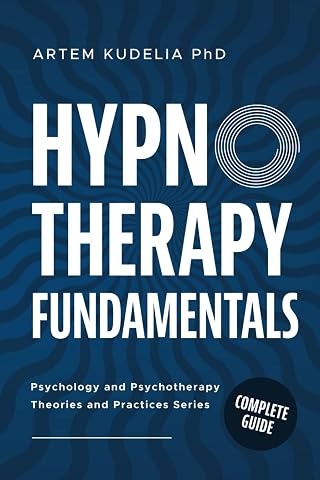
Hypnotherapy Fundamentals: Complete Guide (Psychology and Psychotherapy: Theories and Practices)
$34.17
Computational Neuroscience Explained: How the Brain Computes From Neurons and Synapses to Neural Networks and the Future of AI (Understanding Neuromorphic Computing)
$29.99
THE BRAIN: Exploring the Latest Research and Neurotechnological Innovations in Cognition and Consciousness (Cutting-Edge Sciences)
$24.99