Image-Based Evidence in International Criminal Prosecutions: Charting a Path Forward
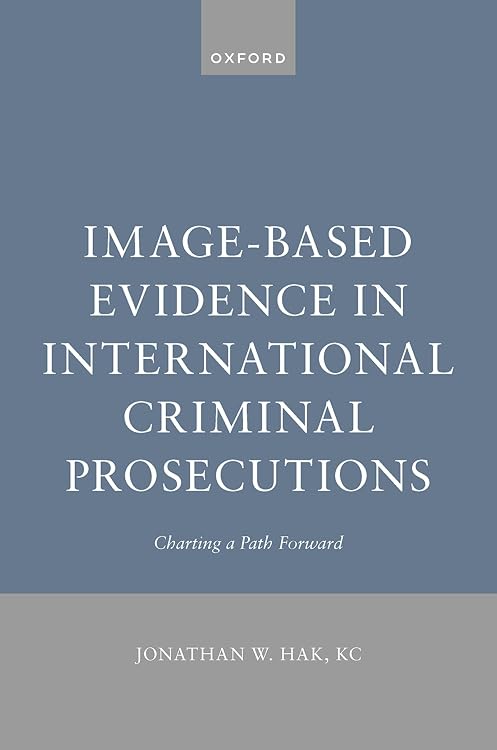
Charting Path Forward: Image-Based Evidence in International Criminal Prosecutions is Jonathan W. Hak, KC’s examination of how images can be authenticated and interpreted in international criminal proceedings. It discusses challenges from image creation and processing, including AI-generated imagery, and considers cautious courtroom use of virtual and augmented reality representations.
At a glance
- Examines image authentication and interpretation for international criminal law.
- Discusses how photographer bias, image alteration, and AI-generated images can complicate the use of visual evidence.
- Considers potential courtroom uses of virtual reality, immersive virtual environments, and augmented reality, with proposed cautious parameters.
Reference price: $160.00
Price checked: Nov 23, 2026
View offerBlack Friday weekExplore the selectionPros and cons
Pros
- Offers legal and technical discussion of how images may serve as probative and didactic evidence.
- Covers image creation, acquisition, processing, and courtroom use, rather than focusing only on authentication.
Technical specifications
8 specifications| Publisher | Oxford University Press |
|---|---|
| Publication date | May 22, 2024 |
| Language | English |
| Print length | 352 pages |
| ISBN-10 | 0198889534 |
| ISBN-13 | 978-0198889533 |
| Weight listed | 1.67 pounds |
|---|---|
| Dimensions | 9.1 x 1.2 x 6.1 inches |
Who is it for?
A good fit for
- International criminal law practitioners and researchers working with visual evidence.
- Readers studying image authentication, courtroom interpretation, or emerging visual representations in legal proceedings.
Less suited to
- Readers seeking a general introduction to criminal law rather than a focused treatment of image-based evidence.
Frequently asked questions
What does this book cover?
It examines the use of image-based evidence in international criminal prosecutions, including authentication, interpretation, image processing, and possible use of advanced visual representations in court.
Does the book discuss AI-generated images?
Yes. The listing describes discussion of how image generation with artificial intelligence can create challenges for establishing what images mean and how they should be used as evidence.
Who is the book aimed at?
The listing presents it as a resource for people working with image-based evidence, including in investigations and courtrooms.