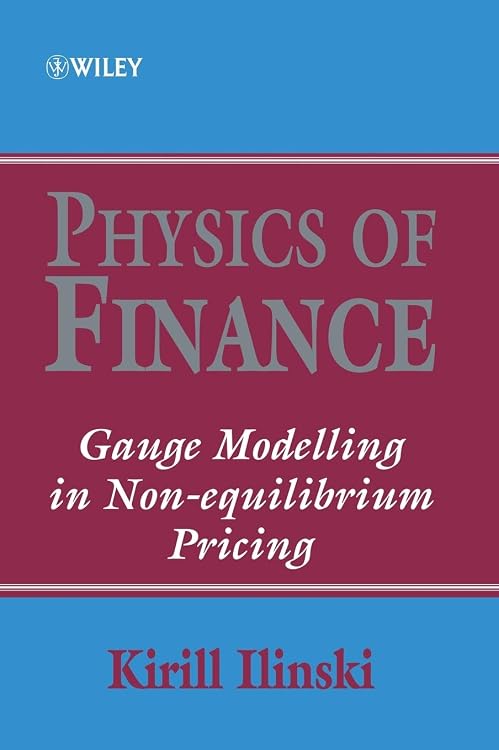
Physics of Finance: Gauge Modelling in Non-Equilibrium Pricing
Physics of Finance: Gauge Modelling in Non-Equilibrium Pricing examines financial pricing through methods drawn from theoretical physics. It revisits equilibrium assumptions and introduces gauge modelling as an approach to pricing assets in non-equilibrium markets.
At a glance
- Applies theoretical-physics methods to financial economics and asset pricing.
- Re-examines assumptions behind equilibrium pricing and discusses risk factors and unstable markets.
- Introduces gauge modelling as an alternative approach to pricing outside the equilibrium paradigm.
Reference price: $188.00
Price checked: Nov 16, 2026
View offerBlack Friday weekExplore the selectionPros and cons
Pros
- The book focuses specifically on non-equilibrium pricing rather than treating equilibrium assumptions as the only framework.
- Its 340-page length gives room to develop the stated theoretical approach.
Technical specifications
7 specifications| Publisher | Wiley |
|---|---|
| Publication date | February 15, 2001 |
| Edition | 1st |
| Language | English |
| Print length | 340 pages |
| Weight listed | 1.6 pounds |
|---|---|
| Dimensions | 6.85 x 1 x 10.06 inches |
What to know before buying
- The listing says the book discusses hidden risk factors and potential profit in unstable markets. These are topics covered, not evidence of investment outcomes or a practical trading guarantee.
Who is it for?
A good fit for
- Readers of financial economics interested in theoretical approaches to asset pricing.
- Researchers or advanced students exploring non-equilibrium markets and gauge modelling.
Less suited to
- Readers seeking a general introduction to personal finance or a clearly stated step-by-step trading manual.
Customer reviews on Amazon
- 5 stars
83% 83% - 4 stars
17% 17% - 3 stars
0% 0% - 2 stars
0% 0% - 1 star
0% 0%
Aggregate ratings lean positive, with most ratings in the five-star category and the remainder in the four-star category. The sample is small and no written feedback is supplied, so it does not reveal what readers valued or whether the book's theoretical treatment suits a particular background.
Frequently asked questions
What is the book about?
It applies methods from theoretical physics to financial economics, reconsidering equilibrium pricing and introducing gauge modelling for non-equilibrium asset pricing.
Is this a practical trading guide?
The supplied description presents a theoretical pricing approach and discusses unstable markets. It does not establish that the book provides step-by-step trading instructions or investment advice.
What are the listed publication details?
The listing identifies a first English-language edition from Wiley, published February 15, 2001, with 340 pages.
Alternative options
Derivatives Pricing
$79.99
The Technical Science of Wall Street: A Lifetime Futures Trading Framework
$25.00

The Retirement Lie: Why Traditional Finance Has Failed Millions—and the Three-Bucket Behavioral Plan That Actually Works
$9.99
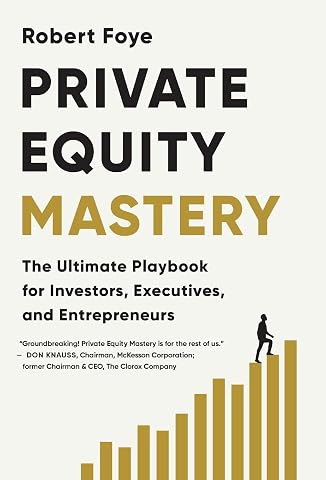
Private Equity Mastery: The Ultimate Playbook for Investors, Executives, and Entrepreneurs
$34.99

Options Math for Traders: How To Pick the Best Option Strategies for Your Market Outlook
$24.95
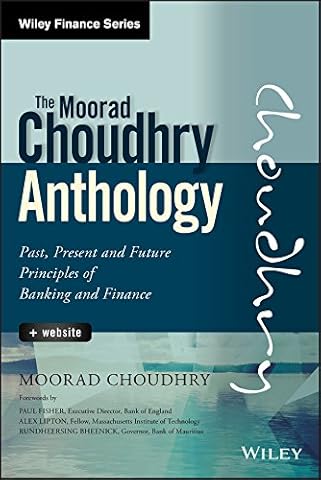
The Moorad Choudhry Anthology: Past, Present and Future Principles of Banking and Finance (Wiley Finance)
$62.00

Principles of Real Estate Investment
$49.95
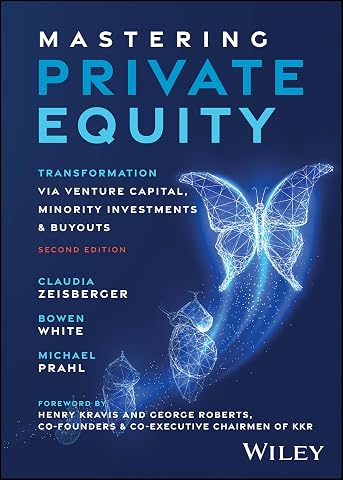
Mastering Private Equity: Transformation via Venture Capital, Minority Investments and Buyouts
$59.74
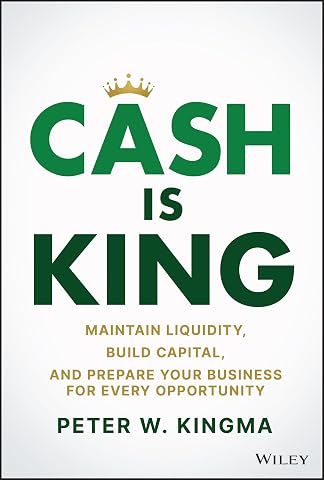
Cash Is King: Maintain Liquidity, Build Capital, and Prepare Your Business for Every Opportunity
$19.56
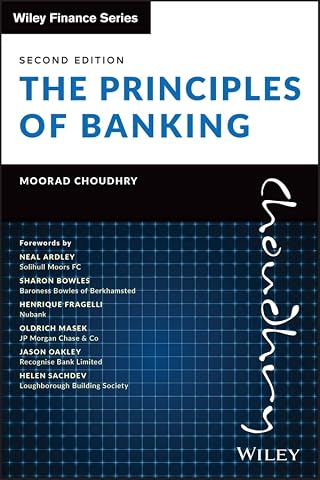
The Principles of Banking (Wiley Finance)
$57.00
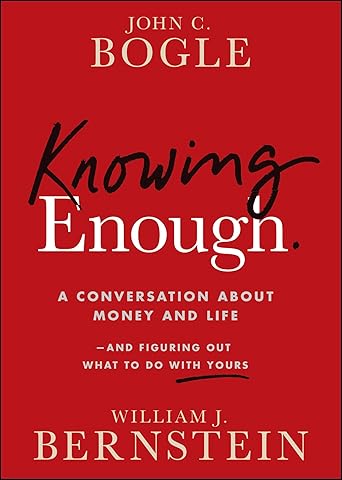
Knowing Enough: A Conversation About Money and Life--and Figuring Out What to Do with Yours
$11.03
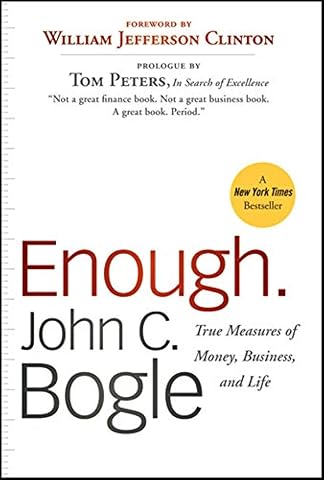
Enough: True Measures of Money, Business, and Life
$10.30