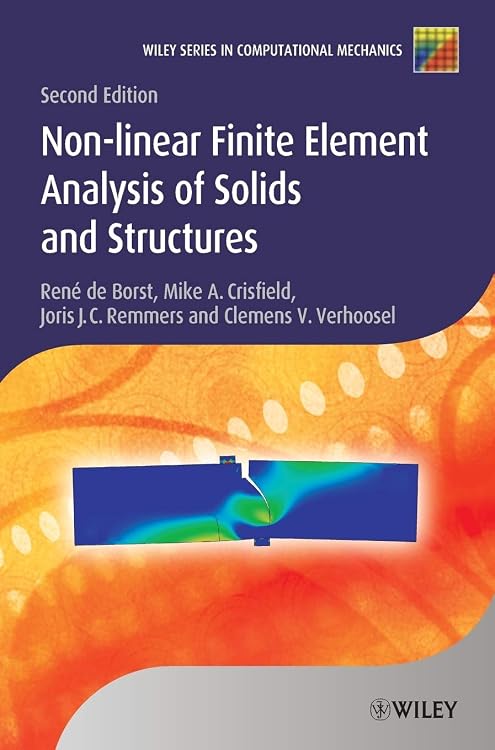
Nonlinear Finite Element Analysis of Solids and Structures, 2nd Edition
Edition: Nonlinear Finite Element Analysis of Solids and Structures is a revised computational mechanics textbook covering nonlinear methods for solids and structures. Its scope spans solution strategies, plasticity, damage, time-dependent effects and large-strain behavior, with pseudocode intended to connect theory to algorithms.
At a glance
- Combines revised material from two earlier volumes into one text, with obsolete material removed and references and notation updated.
- Covers nonlinear solution strategies, computational plasticity, damage mechanics, time-dependent effects, hyperelasticity and large-strain elasto-plasticity.
- Uses pseudocode to connect the book's theoretical material with algorithms and implementation.
- The listing says accompanying Python code is available online and suitable for small-size problems.
Reference price: $122.95
Price checked: Nov 23, 2026
View offerBlack Friday weekExplore the selectionPros and cons
Pros
- Broad coverage of nonlinear computational mechanics topics in one volume.
- Pseudocode and accompanying Python code may help readers bridge theory and small-scale computational examples.
- The publisher describes the text as suitable for engineering and research reference as well as undergraduate and graduate study.
Cons
- The 2012 publication date means readers seeking the newest developments should compare its coverage with more recent references.
Technical specifications
9 specifications| Publisher | Wiley |
|---|---|
| Edition | 2nd |
| Publication date | September 11, 2012 |
| Language | English |
| Print length | 544 pages |
| ISBN-10 | 0470666447 |
| ISBN-13 | 978-0470666449 |
| Weight listed | 2.1 pounds |
|---|---|
| Dimensions | 6.9 x 1.18 x 9.9 inches |
What to know before buying
Listing details to confirm
The accompanying Python code is described as suitable for small-size problems, so the listing does not establish it as a general-purpose or large-scale solver. The publisher's descriptions are claims, not independent performance verification.
Who is it for?
A good fit for
- Students in undergraduate or graduate computational mechanics courses who need a nonlinear finite element reference.
- Practicing engineers and researchers working with nonlinear analysis of solids and structures.
- Readers who want pseudocode and a small-problem Python example alongside theoretical coverage.
Less suited to
- Readers seeking a beginner-only introduction without advanced topics such as plasticity, damage mechanics or large-strain behavior.
- Buyers who need a text explicitly updated for developments after its 2012 publication.
Customer reviews on Amazon
- 5 stars
77% 77% - 4 stars
10% 10% - 3 stars
0% 0% - 2 stars
13% 13% - 1 star
0% 0%
The aggregate ratings lean positive, with a smaller low-star portion also present. With a limited rating sample and no supplied written feedback, this offers only a cautious signal about reception, not specific evidence about clarity, coverage or usefulness for any particular course or engineering task.
Frequently asked questions
What topics does this book cover?
The listing describes nonlinear solution strategies, computational plasticity, damage mechanics, time-dependent effects, hyperelasticity and large-strain elasto-plasticity.
Does it include programming support?
The listing says pseudocode appears throughout and that accompanying Python code is available online for solving small-size problems.
Who is the book intended for?
The publisher presents it as a reference for practicing engineers and researchers and as a possible text for undergraduate and graduate computational mechanics students.
Alternative options
The Finite Element Analysis of Shells - Fundamentals (Computational Fluid and Solid Mechanics)
$206.09
Nonlinear Solid Mechanics: A Continuum Approach for Engineering
$40.93
Energy and Finite Element Methods in Structural Mechanics: Si Units Edition
$222.76
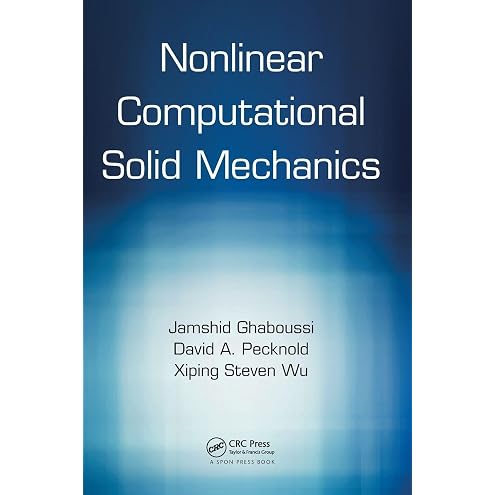
Nonlinear Computational Solid Mechanics
$125.00
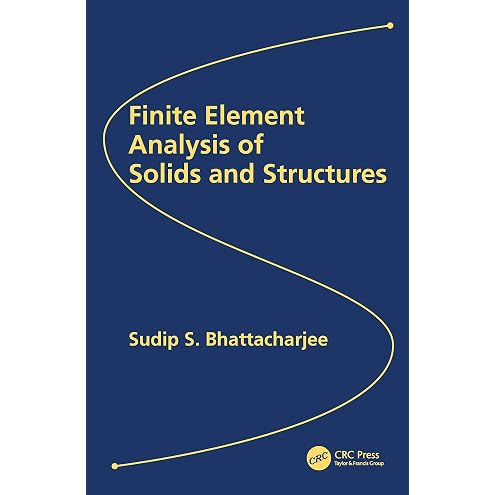
Finite Element Analysis of Solids and Structures
$65.99
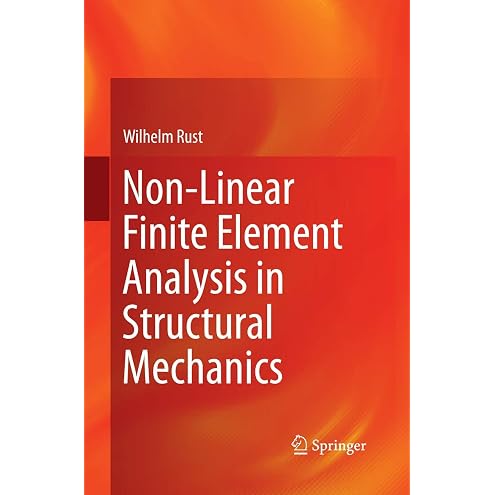
Non-Linear Finite Element Analysis in Structural Mechanics
$100.80
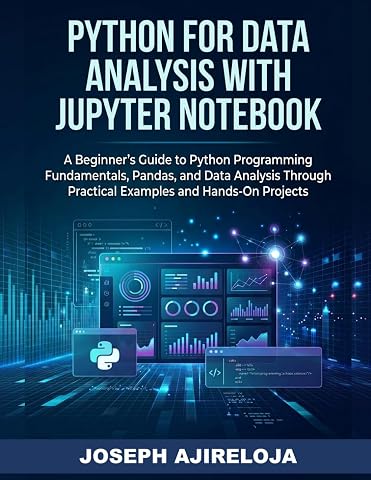
Python for Data Analysis with Jupyter Notebook: A Beginner's Guide to Python Programming Fundamentals, Pandas, and Data Analysis Through Practical Examples and Hands-On Projects
$19.99
AWS Certified DevOps Engineer - Professional Exam Notes & Practice Tests
$29.99
Infinite-Dimensional Spectral Computations: Foundations, Algorithms, and Modern Applications (Cambridge Monographs on Applied and Computational Mathematics)
$160.00
Cram for the Professional Engineer Electrical and Computer Power Exam Sample Test Volume I
$34.12
PPI Mechanical Engineering Reference Manual 14th Edition Comprehensive Reference Manual for the 2026 NCEES Computer Based PE Exam
$279.38
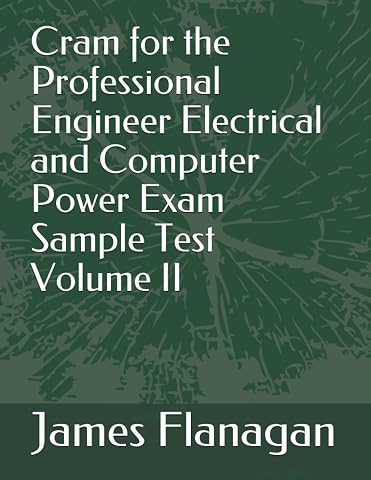
Cram for the Professional Engineer Electrical and Computer Power Exam Sample Test Volume II
$35.00