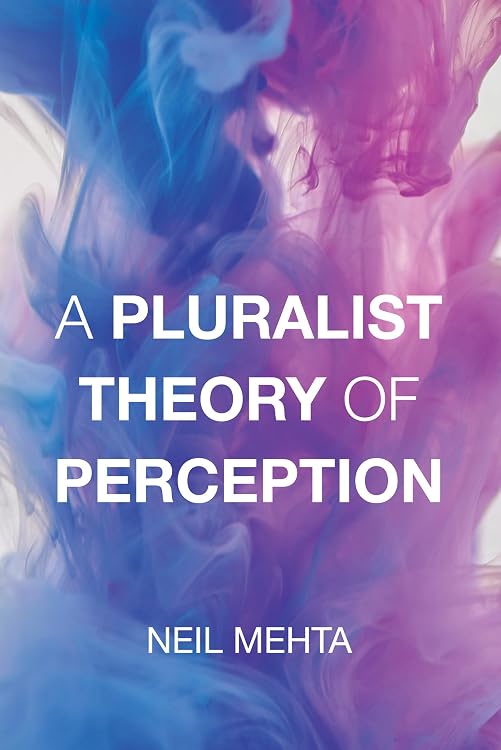
A Pluralist Theory of Perception by Neil Mehta
A Pluralist Theory of Perception by Neil Mehta argues that conscious perception combines two kinds of sensory awareness rather than relying on one. Its focus is a philosophical account distinguishing successful sensory representation from nonrepresentational deep awareness, including how perception and hallucination differ.
At a glance
- Advances rich pluralism, the view that conscious perception involves successful sensory representation and deep awareness.
- Contrasts perception with hallucination, arguing that successful sensory representation occurs in perceptions but not hallucinations.
- Connects a general account of consciousness with features distinctive to conscious perception.
Reference price: $50.00
Price checked: Nov 29, 2026
View offerBlack FridayExplore the selectionPros and cons
Pros
- The book lays out a specific alternative to monistic theories rather than treating perception as one undifferentiated kind of awareness.
- Its discussion addresses both perception and hallucination, making their proposed distinction central to the argument.
Cons
- The subject is a specialized philosophical debate, so readers seeking an introductory or broadly practical treatment of perception may find its focus narrow.
Technical specifications
8 specifications| Publisher | The MIT Press |
|---|---|
| Publication date | August 6, 2024 |
| Language | English |
| Print length | 358 pages |
| ISBN-10 | 0262548283 |
| ISBN-13 | 978-0262548281 |
| Weight listed | 15.5 ounces |
|---|---|
| Dimensions | 6 x 1 x 9 inches |
Who is it for?
A good fit for
- Readers studying philosophy of perception, consciousness, or theories of hallucination.
- Advanced students and researchers interested in comparing pluralist and monistic accounts of sensory awareness.
Less suited to
- Readers looking for a general-audience introduction to psychology or a practical guide to perception.
Frequently asked questions
What theory does this book argue for?
Neil Mehta argues for rich pluralism, according to which conscious perception combines successful sensory representation with deep awareness.
How does the book distinguish perception from hallucination?
The book argues that successful sensory representation occurs in perceptions, whether conscious or unconscious, but not in hallucinations. Deep awareness, by contrast, is shared by conscious perceptions and hallucinations.
Who is this book aimed at?
Its subject and argument are suited to readers interested in philosophy of perception and consciousness, especially those comparing pluralist and monistic theories.
Alternative options
Action in Perception (Representation and Mind series)
$26.99
Phenomenology of Perception: A descriptive account of how we live in and know the world
$30.78
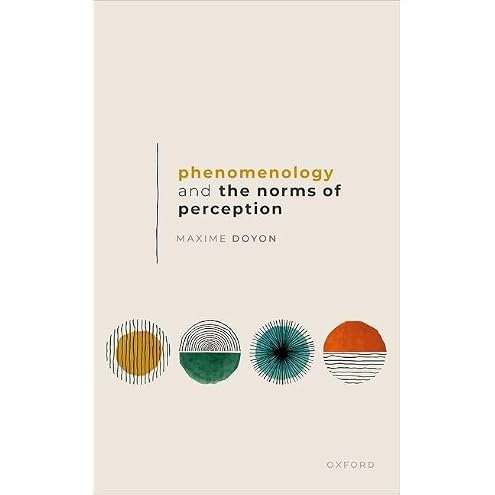
Phenomenology and the Norms of Perception
$62.31
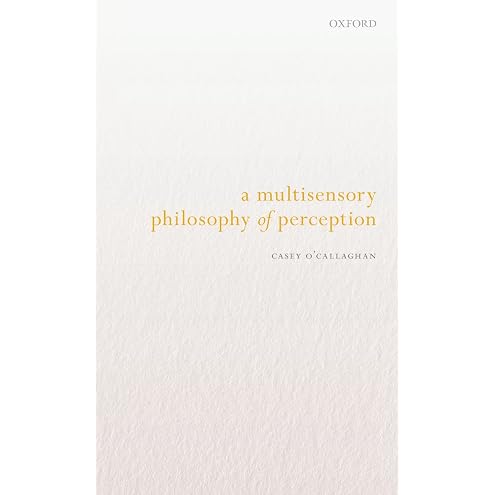
A Multisensory Philosophy of Perception
$32.99
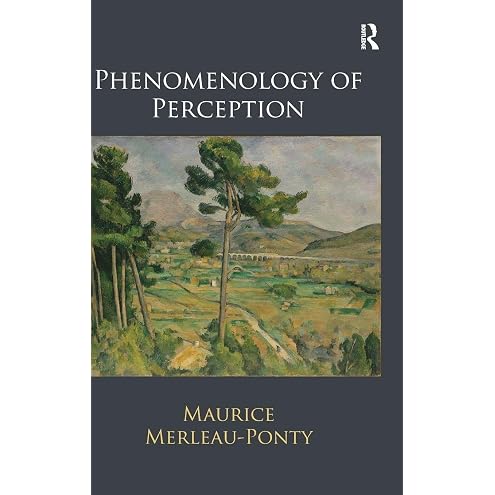
Phenomenology of Perception
$73.75
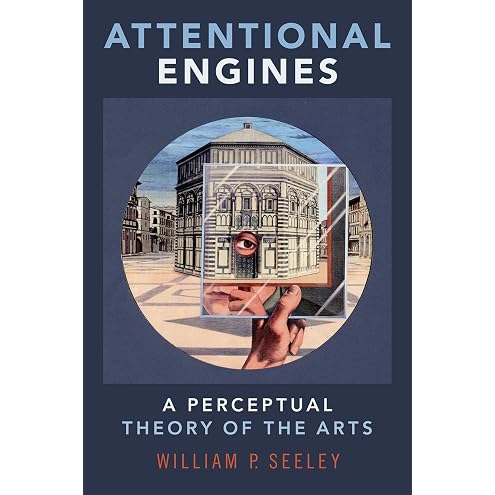
Attentional Engines: A Perceptual Theory of the Arts (Thinking Art)
$116.98
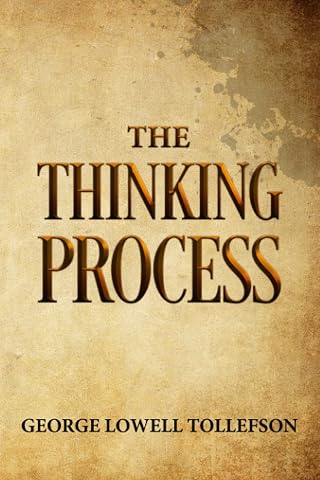
The Thinking Process
$17.99
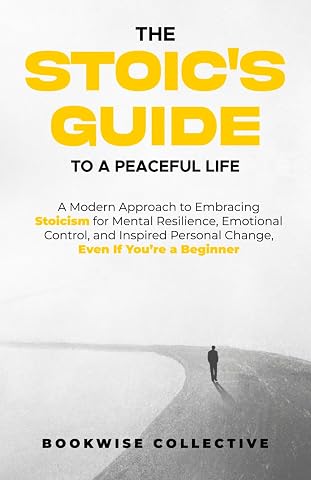
The Stoic's Guide to a Peaceful Life: A Modern Approach to Embracing Stoicism for Mental Resilience, Emotional Control, and Personal Change, Even If You’re a Beginner (The ThinkWise Collection)
$14.78
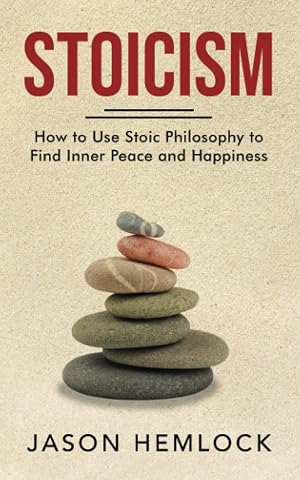
Stoicism: How to Use Stoic Philosophy to Find Inner Peace and Happiness
$16.99

Humanistic Therapy: From Crisis to Self-Actualization (Psychology and Psychotherapy: Theories and Practices)
$14.99
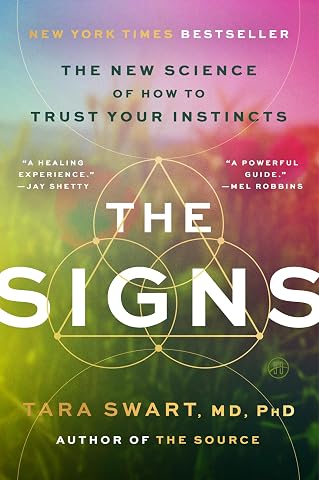
The Signs: The New Science of How to Trust Your Instincts
$13.97

Existential Therapy: Journey to Authenticity (Psychology and Psychotherapy: Theories and Practices)
$14.99